Automated Ballooning for Engineering Drawings
Adeos detects and numbers every drawing callout in minutes, generating PPAP-compliant inspection packages automatically.
The Problem
High Time Cost Per Drawing
A single complex drawing can take two to four hours to balloon manually, creating a delay between drawing receipt and inspection readiness that compounds across high-volume programmes.
Annotation Errors and Non-Conformance Risk
Missed or duplicated balloon numbers cause inspection records to reference incorrect characteristics, which delays approval and can trigger re-inspection or non-conformance reports.
Standards Compliance Requirement
First Article Inspection and PPAP submissions require every drawing characteristic to be ballooned and traceable. Manual processes make it difficult to verify completeness and maintain an auditable record.
The Road to Implementation
VLM-based callout detection and sequential balloon annotation integrated into the quality documentation workflow, with structured inspection checklist output for PPAP compliance.
Drawing Format Analysis and Scope Definition
Drawing samples were collected across formats and complexity levels. Annotation scope was defined including which characteristic types required ballooning and what output structure was needed for compliance.
Adeos Calibration and Detection Tuning
Adeos was calibrated against the drawing sample set to optimise callout detection coverage, reduce false positives on reference dimensions, and establish confidence thresholds for human review flagging.
Checklist Template Configuration
Inspection checklist output templates were configured to match PPAP documentation requirements, including characteristic type classification and drawing revision traceability.
Production Deployment and Workflow Integration
The system was deployed for live drawing intake, with annotated outputs and checklists delivered to the quality team for use in ongoing First Article Inspections and supplier qualification packages.
Custom Architecture Built
Callout Detection Using Adeos
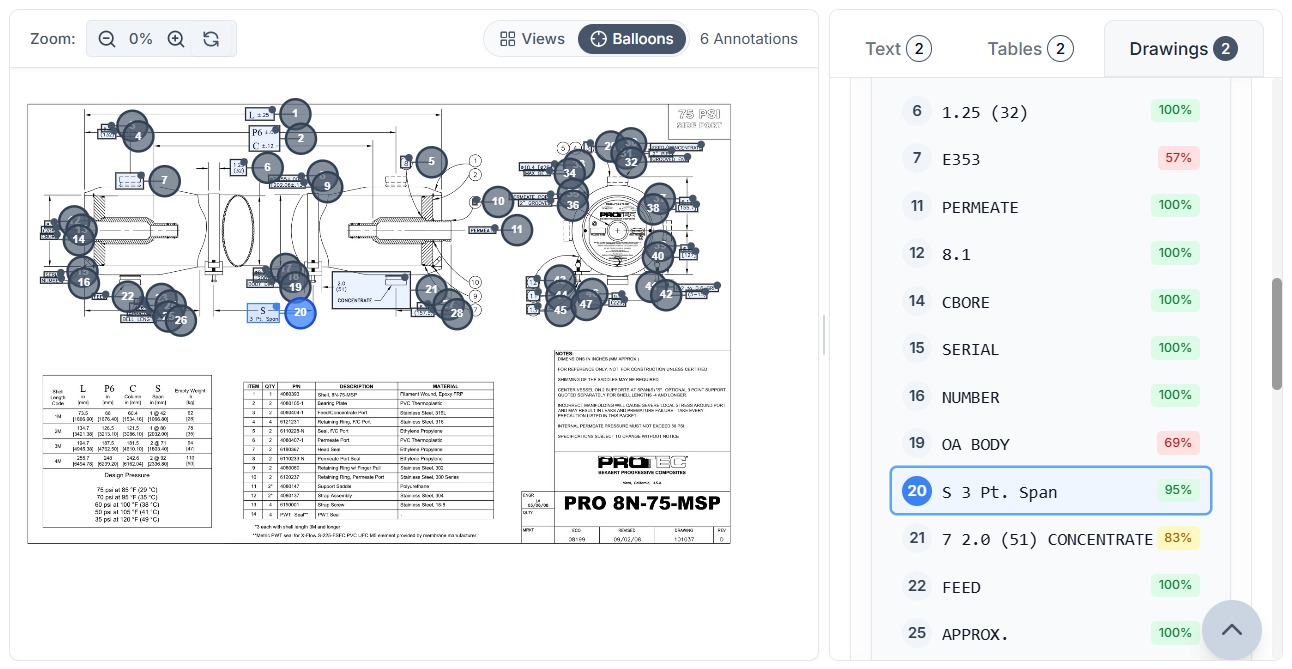
The Adeos engine parses each drawing to locate dimensions, tolerances, surface finish callouts, datum references, and notes across all views, distinguishing annotatable characteristics from reference dimensions and general notes.
Sequential Balloon Numbering and Placement in Adeos
The system assigns sequential balloon numbers in a consistent reading order and places markers adjacent to callouts without obscuring drawing geometry. Numbering remains stable across re-runs, ensuring revision consistency.
Structured Inspection Checklist Export
Each annotated drawing is paired with a structured checklist mapping every balloon number to its characteristic type, nominal value, and tolerance, formatted for First Article Inspection reports and PPAP packages.
Multi-Format Drawing Ingestion in Adeos
The pipeline accepts PDF, scanned image, and CAD export formats. Pre-processing normalises resolution and orientation before analysis, enabling the same workflow to handle legacy and current digital drawings without separate handling.
The Outcome
Drawing annotation time reduced from 2 to 4 hours per sheet to under 5 minutes for standard drawings
Duplicate and missing balloon numbers eliminated across processed drawing sets
PPAP-compliant inspection checklists generated automatically alongside annotated drawings
Quality teams processing 3 to 5 times more drawings per day without additional headcount
Consistent balloon numbering maintained across drawing revisions, reducing reconciliation effort
See Auto-Ballooning on Your Drawings
If your team manages First Article Inspections, PPAP packages, or drawing-intensive supplier qualifications, Adeos can demonstrate automated balloon annotation on your own drawing samples.
Browse More Success Stories
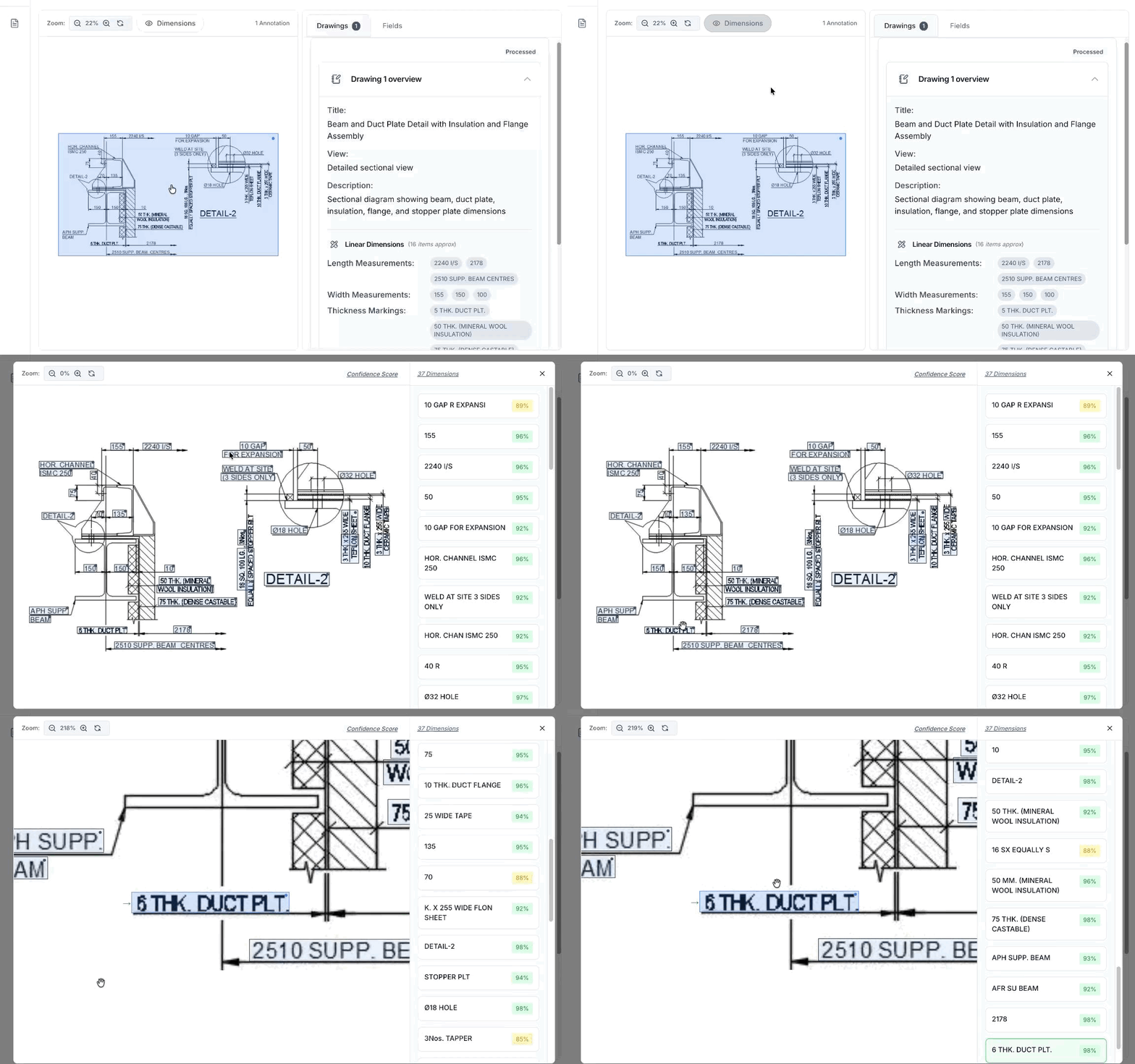
Dimension Extraction and Welding Calculations for Power Boiler Manufacturing
Replacing manual drawing review across departments with automated extraction and formula-driven calculations for supercritical boiler fabrication.
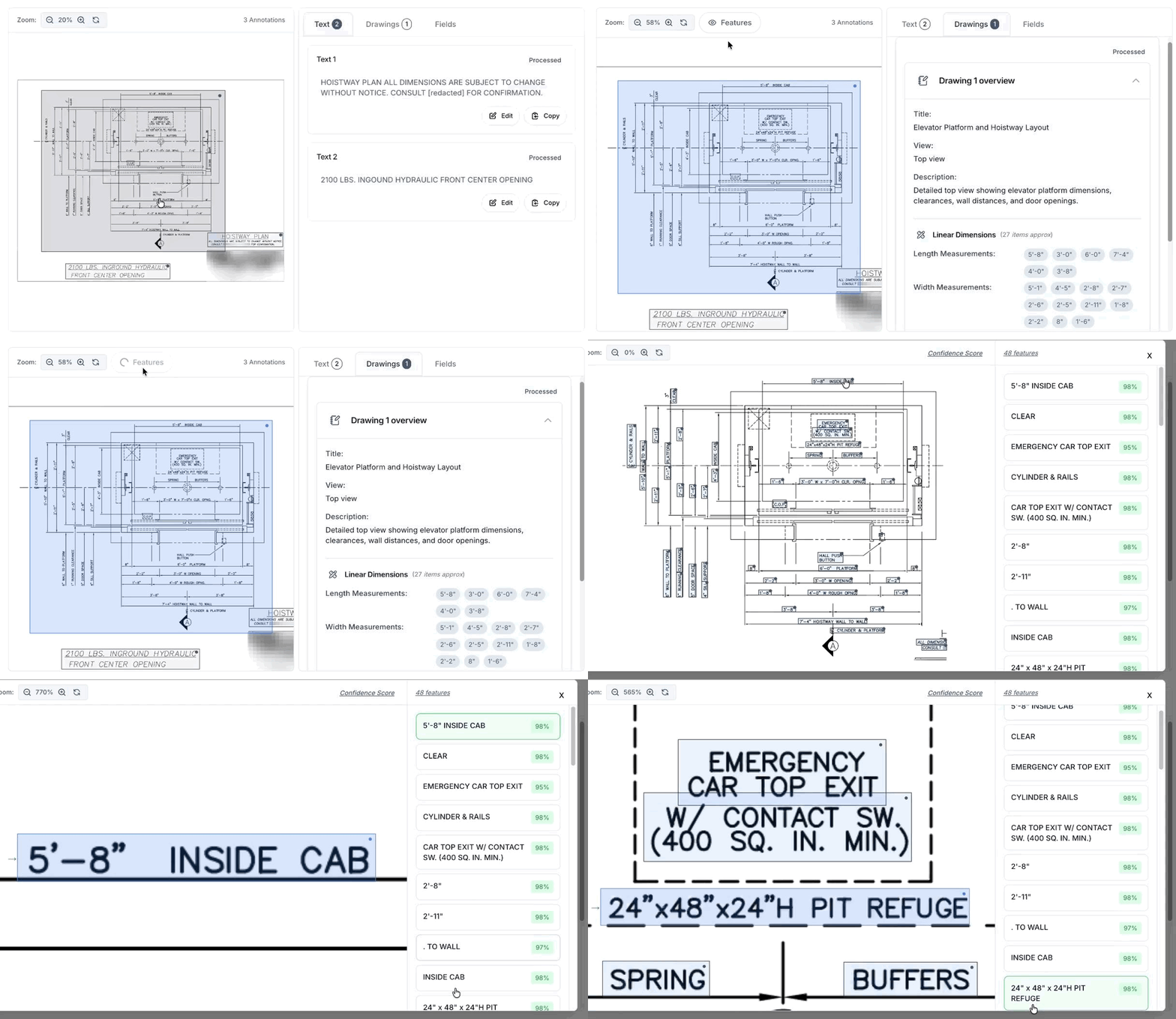
Filtered Dimension Extraction for Lift Manufacturing
Extracting dimensions with abbreviations filtering and confidence-scored outputs from engineering drawings at scale.
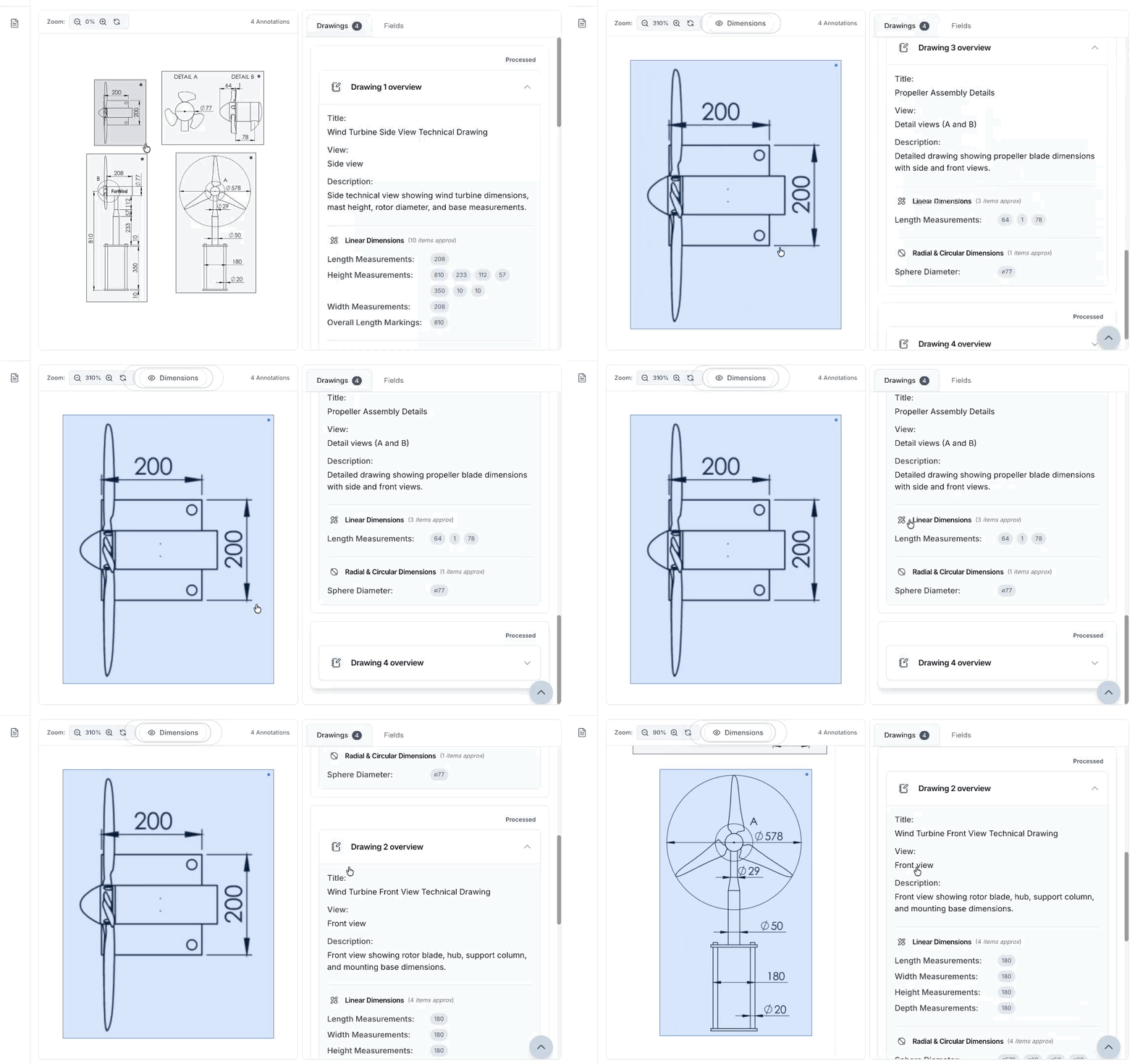
Dimension Comparison Between Customer Drawings and Recreated CAD Files
Comparing customer-supplied drawings with internally recreated CAD drawings, reducing manual verification from hours to minutes.